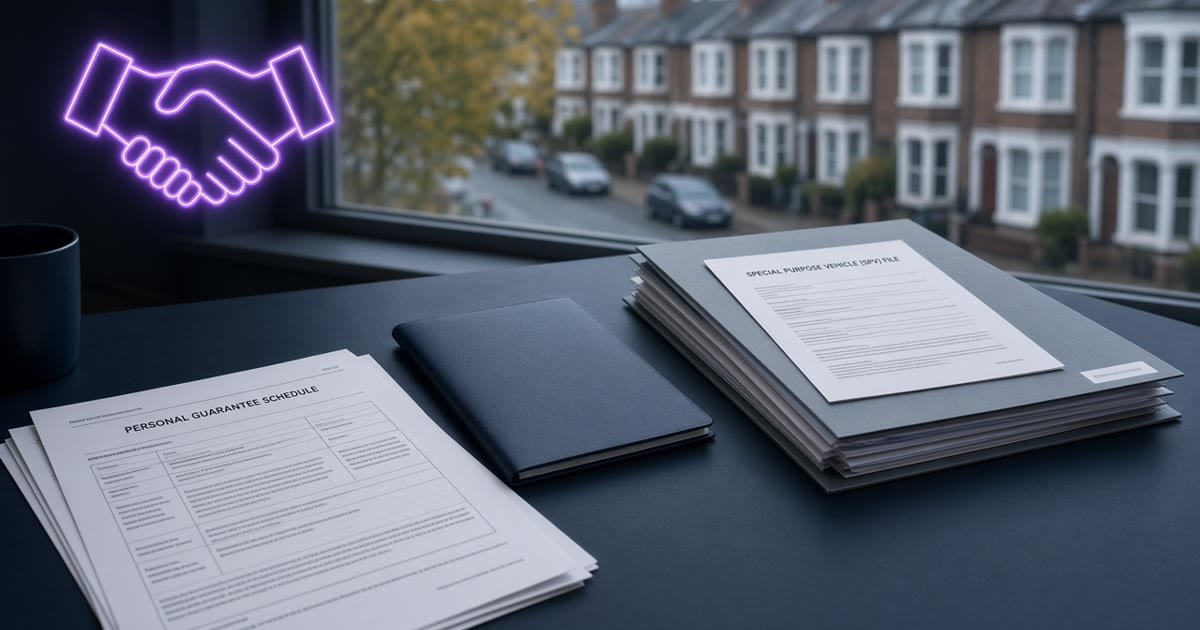
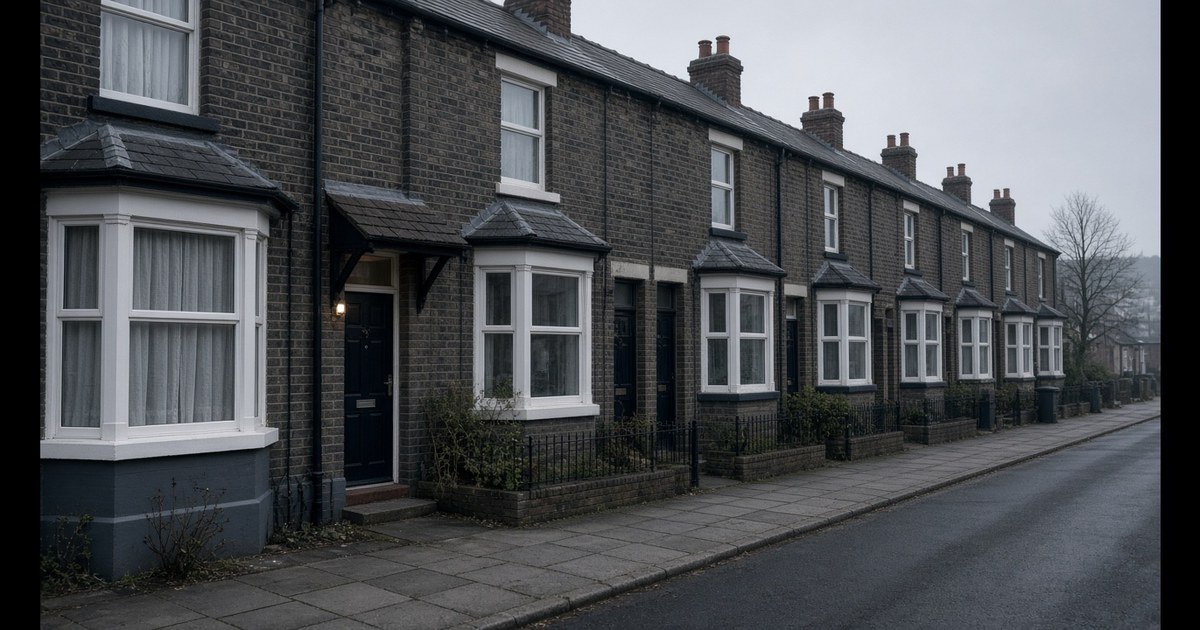
Uninhabitable properties have a reputation for being difficult. Conventional lenders avoid them, surveyors flag them and mainstream mortgage products simply will not touch them. Yet for experienced property investors, developers and landlords, a property that nobody else wants to buy is often exactly where the opportunity lies. The lower the competition, the greater the upside, and the right financing structure can unlock that upside quickly. That is where a bridging loan for an uninhabitable property becomes not just useful but essential.
This article explores why uninhabitable properties are so well suited to bridging finance, what lenders actually look for, and how to structure your deal to give yourself the best possible chance of approval.
What Makes a Property “Uninhabitable” in the Eyes of a Lender
The term uninhabitable covers a wide range of conditions. At its most basic, a property is considered uninhabitable when it cannot be lived in safely or comfortably in its current state. In practical terms, lenders and surveyors typically flag a property as uninhabitable when it has one or more of the following characteristics:
- No functioning kitchen or bathroom
- Structural damage or instability
- A roof that is partially or fully failed
- No working heating or electrical system
- Severe damp, mould or water ingress
- Fire or flood damage
- Windows or doors that are missing or broken beyond use
- A property that has been vacant for an extended period
For mainstream mortgage lenders, these conditions make the security unacceptable. Their products are designed for properties that can be immediately occupied, because the assumption is that the borrower will live there or a tenant will. When that assumption breaks down, so does the mortgage offer.
Bridging lenders operate on a fundamentally different logic. Rather than focusing on what the property is today, they focus on what it will be worth once work is complete. That shift in perspective changes everything.
Why Bridging Finance Is Built for This Type of Asset
A bridging loan for an uninhabitable property works because the lending model is designed around short-term, asset-backed finance. The lender’s primary concern is the value of the security and the borrower’s credible exit strategy, not the current habitable condition of the building.
This matters for several reasons.
First, bridging lenders assess both the current value and the gross development value or post-refurbishment value of a property. They understand that a derelict terraced house bought for £90,000 may be worth £220,000 once it has been fully renovated. That upside is real security, and specialist lenders are equipped to assess it properly.
Second, bridging loans are short-term by design. Terms typically run from six to eighteen months, which is precisely the window in which a refurbishment or conversion project takes place. The finance is not expected to sit indefinitely. It is deployed, used and repaid, usually through a refinance onto a buy-to-let mortgage or through the sale of the completed property.
Third, bridging lenders can move quickly. Conventional lenders require weeks of underwriting, income verification and documentation. A specialist bridging lender with a clear process can issue a decision in principle within twenty-four hours and a credit-backed offer within seventy-two hours. For investors buying at auction or negotiating time-sensitive deals, that speed is transformative.
The Investor’s Perspective: Why Uninhabitable Properties Attract Serious Buyers
There is a reason experienced property investors deliberately seek out uninhabitable properties. The purchase price is lower, the competition is thinner and the margin on completion is often significantly higher than on a standard buy-to-let or flip purchase.
Consider a property that has been sitting empty for several years, with a failed roof and no working services. A conventional buyer cannot purchase it on a mortgage. A first-time buyer almost certainly cannot fund the purchase and renovation. That narrows the buyer pool considerably, which drives the price down further than the condition alone would justify.
An experienced investor with access to bridging finance sees something different. They see a property they can buy at a meaningful discount, renovate efficiently and refinance or sell at a strong uplift. The math only works because the financing is in place before they make the offer.
This dynamic is particularly common at auction. Many uninhabitable properties reach auction precisely because their owners cannot sell them through conventional channels. Investors who understand how to complete a property auction purchase within a tight timeframe are well positioned to compete here, because they have arranged their bridging finance in advance and can commit to the twenty-eight day completion window that auction purchases require.
How Lenders Assess Uninhabitable Properties
Understanding how a specialist bridging lender thinks about an uninhabitable property helps borrowers prepare a stronger application.
Security and Valuation
The lender will instruct a valuer to assess both the current market value and the projected value after works. For very distressed properties, the current value may be low, and the lender will apply their loan-to-value calculation against that figure. Understanding how LTV is calculated on a bridging loan is important here, because borrowing against a significantly discounted purchase price will affect the total amount available.
At StatusKWO, lending is available up to 85% LTV, which gives investors meaningful leverage even on properties with suppressed current values.
The Exit Strategy
No bridging lender will approve a loan without a credible and realistic exit. For uninhabitable properties, the most common exits are:
- Sale of the completed property on the open market
- Refinance onto a buy-to-let or commercial mortgage once the property is habitable
- Refinance onto a development finance facility if the project grows in scope
The exit must be realistic within the loan term. A borrower who plans to refinance onto a standard mortgage needs to demonstrate that the property will be in a mortgageable condition before the bridging term expires. Having a clear project plan and a realistic timeline is essential.
Planning your exit properly is not just good practice. It is a core part of what makes an application credible in the eyes of a specialist lender.
The Borrower’s Background
For unregulated bridging loans, lenders do not require proof of income. What they do focus on is the borrower’s experience and the strength of the security. An investor with a track record of successfully completing similar refurbishment projects is a stronger candidate than someone attempting their first project, though first-time borrowers are not automatically excluded.
Credit history is assessed, but bridging lenders are generally more flexible than mainstream mortgage lenders in how they interpret it. A borrower with historic credit issues may still be able to access a bridging loan if the security is strong and the exit is credible.
Common Use Cases for Bridging Loans on Uninhabitable Properties
The range of situations in which a bridging loan on an uninhabitable property makes sense is broader than many borrowers initially realise.
Light to medium refurbishment projects are perhaps the most common. A property needs a new kitchen, bathroom, rewire and replaster. The work takes four to six months. The investor buys using bridging finance, completes the work and refinances onto a buy-to-let mortgage. The whole cycle runs within a single bridging term.
Structural renovation and conversion involves more significant work. A Victorian terrace with a failed roof and structural movement requires a more complex programme, but the principle is the same. Bridging finance bridges the gap between purchase and a point at which the property can support a standard mortgage.
HMO conversions are another strong use case. A large property in poor condition that cannot attract a standard mortgage may be an ideal candidate for conversion into a house in multiple occupation. Bridging loans for HMO conversions follow a similar logic, with the lender focused on the end value of the completed HMO and the borrower’s ability to either sell or refinance.
Auction purchases are probably the most time-pressured scenario. A property appearing at auction with a low guide price due to its condition needs a buyer who has finance already arranged. Bridging lenders that can move quickly, issuing decisions in principle within twenty-four hours and offers shortly after, make this possible in a way that no conventional lender can match.
Structuring the Loan: Interest, Costs and Practical Considerations
One of the features of bridging finance that suits uninhabitable property projects particularly well is the flexibility around interest. Because uninhabitable properties are not generating rental income during the works, many borrowers do not want to service monthly interest payments while the property sits empty and unproductive.
Borrowers can choose between rolled-up, retained or serviced interest depending on their cashflow position and how they prefer to manage costs across the project. Rolled-up interest means no monthly payments during the loan term, with interest added to the loan balance and repaid on exit. This is often the preferred structure for refurbishment projects, because it allows the investor to direct available capital into the works rather than into monthly interest servicing.
It is worth understanding the difference between the gross and net loan when structuring this type of deal. Lenders may deduct fees, retained interest or other costs from the gross facility. Understanding the difference between gross and net loan amounts helps borrowers ensure they have enough working capital available after drawdown to actually fund the renovation.
Borrowers should also think carefully about the total cost of the project before approaching a lender. A realistic budget covering purchase costs, works, professional fees, bridging interest and refinance costs gives the lender confidence and helps the borrower understand their true profit margin.
Why Speed Matters More Than You Might Think
In property investment, speed is often the difference between securing a deal and losing it. Uninhabitable properties attract a specific type of buyer, and when a good opportunity appears, multiple informed investors may be circling it simultaneously.
A lender that can issue a decision in principle within twenty-four hours and a credit-backed offer within seventy-two hours gives the borrower the ability to move decisively. This is particularly relevant for off-market deals, motivated vendor situations and auction purchases where the clock starts ticking from the moment the hammer falls.
StatusKWO’s process is designed specifically around this need. No proof of income is required, and the underwriting focuses on the asset and the exit rather than on lengthy personal financial analysis. For investors who know what they are doing and have a clear plan, this approach removes friction from the process at exactly the moment when friction is most costly.
Frequently Asked Questions
Can I get a bridging loan on a property with no kitchen or bathroom?
Yes. The absence of a working kitchen or bathroom is one of the most common reasons a property is classified as uninhabitable, and it is one of the conditions that specialist bridging lenders are comfortable with. Mainstream mortgage lenders will decline these properties, but bridging lenders assess the security based on what the property will be worth after works rather than its current condition.
How much can I borrow against an uninhabitable property?
This depends on the current market value of the property and the lender’s maximum LTV. StatusKWO lends up to 85% LTV on loans up to £10,000,000+. For very distressed properties, the current value may be significantly lower than the purchase price, which affects how much can be borrowed. Some lenders will also factor in post-works value when structuring the facility.
Do I need to prove my income to get a bridging loan for a renovation project?
StatusKWO does not require proof of income for its unregulated bridging products. The focus is on the quality of the security and the credibility of the exit strategy. This makes bridging finance accessible to investors, developers and landlords who may not have a straightforward employment income to evidence.
What is the best exit strategy for a bridging loan on an uninhabitable property?
The two most common exits are refinancing onto a buy-to-let or commercial mortgage once the property is habitable and mortgageable, or selling the completed property. The right exit depends on the investor’s longer-term strategy. Those building a rental portfolio will typically refinance, while those focused on capital growth from individual projects will sell. Either way, the exit must be credible and achievable within the loan term.
Can I use a bridging loan to buy an uninhabitable property at auction?
Yes, and auction is one of the scenarios where bridging finance is most valuable. Auction purchases require completion within twenty-eight days, which is impossible through conventional mortgage channels. Bridging lenders that can move quickly and issue credit-backed offers within days are ideally suited to this scenario. Investors who regularly buy at auction arrange their bridging finance before they bid, so the offer is ready to deploy the moment they win.
Uninhabitable properties represent some of the most compelling opportunities in the UK investment property market. The combination of a lower purchase price, reduced competition and significant post-renovation upside creates a clear case for investors who have the experience and the right financing in place.
StatusKWO specialises in unregulated bridging finance for exactly these situations. Whether you are buying a derelict property at auction, taking on a structural renovation project or converting a run-down house into a modern rental asset, the team can move quickly and work with you on the terms that suit your project.
If you have a property in mind and want to explore your options, get in touch with the StatusKWO team to discuss your requirements and receive a decision in principle within twenty-four hours.